What is direct injection sole vs cemented sole
When considering footwear manufacturing, understanding the differences between direct injection soles and cemented soles is crucial for quality and durability. This comparison is significant for overseas buyers and distributors looking for optimal shoe solutions. In this article, we will dissect both methods of sole attachment, outlining their unique features and benefits, which will aid in informed purchasing decisions.
1. Understanding Sole Attachment Methods
Overview of Direct Injection Sole
The direct injection sole method involves a polyurethane or thermoplastic elastomer (TPE) being injected directly into a mold where the upper portion of the shoe is placed. This method ensures a strong bond and durable shoes.
Overview of Cemented Sole
Cemented soles are constructed by applying adhesive to attach the sole to the upper part of the shoe. This method is widely used due to its simplicity and cost-effectiveness, but it may not always provide the same level of durability as direct injection.
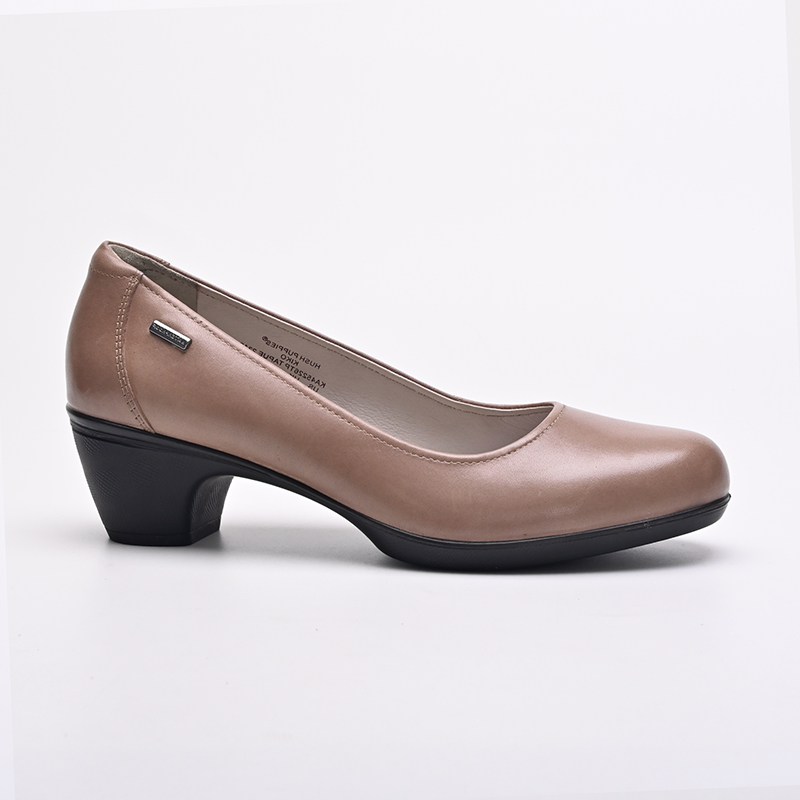
2. Key Differences Between Direct Injection and Cemented Soles
2.1 Durability
Direct injection soles generally offer superior durability compared to cemented soles. This is due to the chemical bonding that occurs during the injection process, creating a strong connection that withstands wear and tear over time. In contrast, cemented soles may lose adhesion after prolonged use.
2.2 Waterproofing
One of the primary benefits of direct injection soles is their inherent waterproof properties. With the direct bonding process, water is less likely to seep into the seams, keeping your feet dry. Cemented soles, however, may allow for moisture entry, particularly if the adhesives degrade.
2.3 Weight
The weight of shoes is essential for comfort. Direct injection soles tend to be lightweight due to the materials used, leading to more comfortable footwear for extended wear. Cemented soles can be heavier, as the adhesive adds additional weight.
2.4 Cost
From a manufacturing perspective, cemented soles are often cheaper due to lower production costs. However, the investment in direct injection soles can result in long-term savings through enhanced durability and reduced return rates.
2.5 Production Speed
Cemented soles can be produced more quickly since they require less complex machinery compared to direct injection methods, which can take more time due to the molding process.
3. Comparative Table: Direct Injection Sole vs Cemented Sole
| Feature | Direct Injection Sole | Cemented Sole |
|---|---|---|
| Durability | High | Medium |
| Waterproofing | Excellent | Variable |
| Weight | Lightweight | Heavier |
| Cost | Higher | Lower |
| Production Speed | Slower | Faster |
4. When to Choose Direct Injection Soles or Cemented Soles
4.1 Ideal Scenarios for Direct Injection
Choose direct injection soles for footwear designed for prolonged use in challenging conditions, such as outdoor or athletic shoes. The enhanced durability and waterproofing are vital for performance.
4.2 Recommendations for Cemented Soles
Cemented soles may be more suitable for casual wear or low-cost footwear solutions where weight and production speed are prioritized over extreme durability.
5. Step-by-Step Process: Manufacturing Direct Injection Soles
5.1 Step 1: Design and Molding
First, a design is created, and a mold is prepared for the upper part of the shoe.
5.2 Step 2: Injection
Next, the material is injected into the mold to form the sole.
5.3 Step 3: Cooling and Curing
After injection, the shoe is cooled and allowed to cure for a specific time, creating a strong bond.
5.4 Step 4: Finishing Touches
Finally, any finishing touches, such as trimming and quality checks, are performed to ensure the final product meets standards.
6. User Experiences and Feedback
6.1 Case Study: Direct Injection Performance
A retailer reported a 30% reduction in returns for shoes with direct injection soles due to improved durability and comfort.
6.2 Case Study: Cemented Sole Evaluations
In contrast, a case study from another distributor indicated that while cemented soles were cheaper, the lifecycle of the products led to more frequent repurchases.
7. Conclusion
In summary, understanding the nuances of direct injection soles and cemented soles is vital for making informed choices in footwear manufacturing. While both methods have their advantages, buyers should consider factors like durability, weight, production cost, and intended use when selecting the right type of sole for their needs. XDDD Quality shoes matter, investing in superior manufacturing techniques can lead to satisfied customers and brand loyalty.
For more detailed information on our manufacturing capabilities and to see our range of products, feel free to check our website.
If you would like more information about this product, please feel free to contact us. Recommend other popular products for you.: direct injection sole shoes manufacturer


评论
发表评论